
Spring In Yellowstone: Wildlife Photography Workshop with Kyle Moon
Trip Report by YW Photo Naturalist Kyle Moon
One of the things I love most about Yellowstone is its unpredictability. Every day presents new opportunities, and spring is especially rewarding because nearly every species that calls the park home is active and available to photograph.
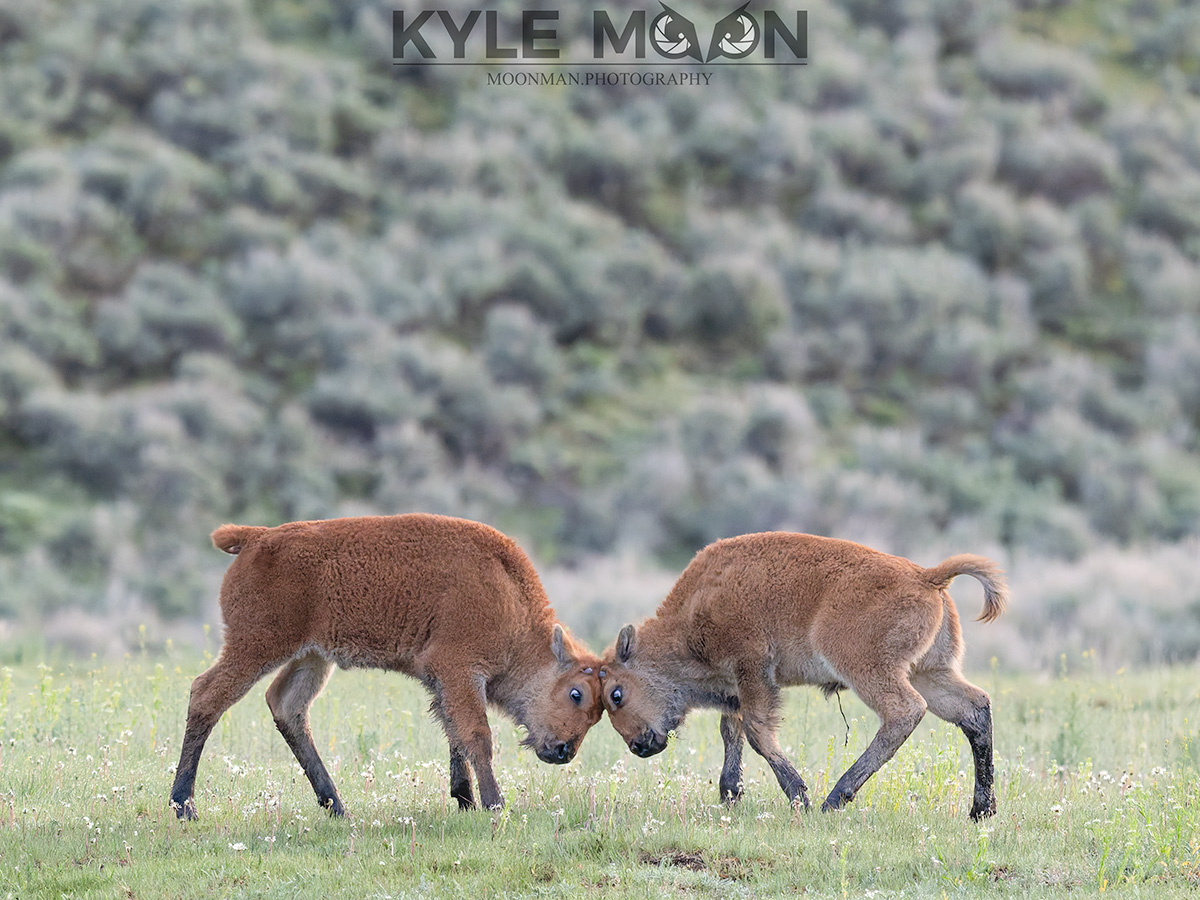
Yellowstone Wild Spring 2026 Photo Workshop: Hours old bison calves sparring by Kyle Moon
While wolves largely eluded us on this particular workshop, we certainly weren’t lacking for photographable wildlife. Throughout the trip, we captured grizzly bears, moose, coyotes, foxes, bison with calves, elk, pronghorn, and a variety of bird species. We also spent time on Yellowstone’s waterfalls and landscapes, adding diversity to our portfolios and our experience.
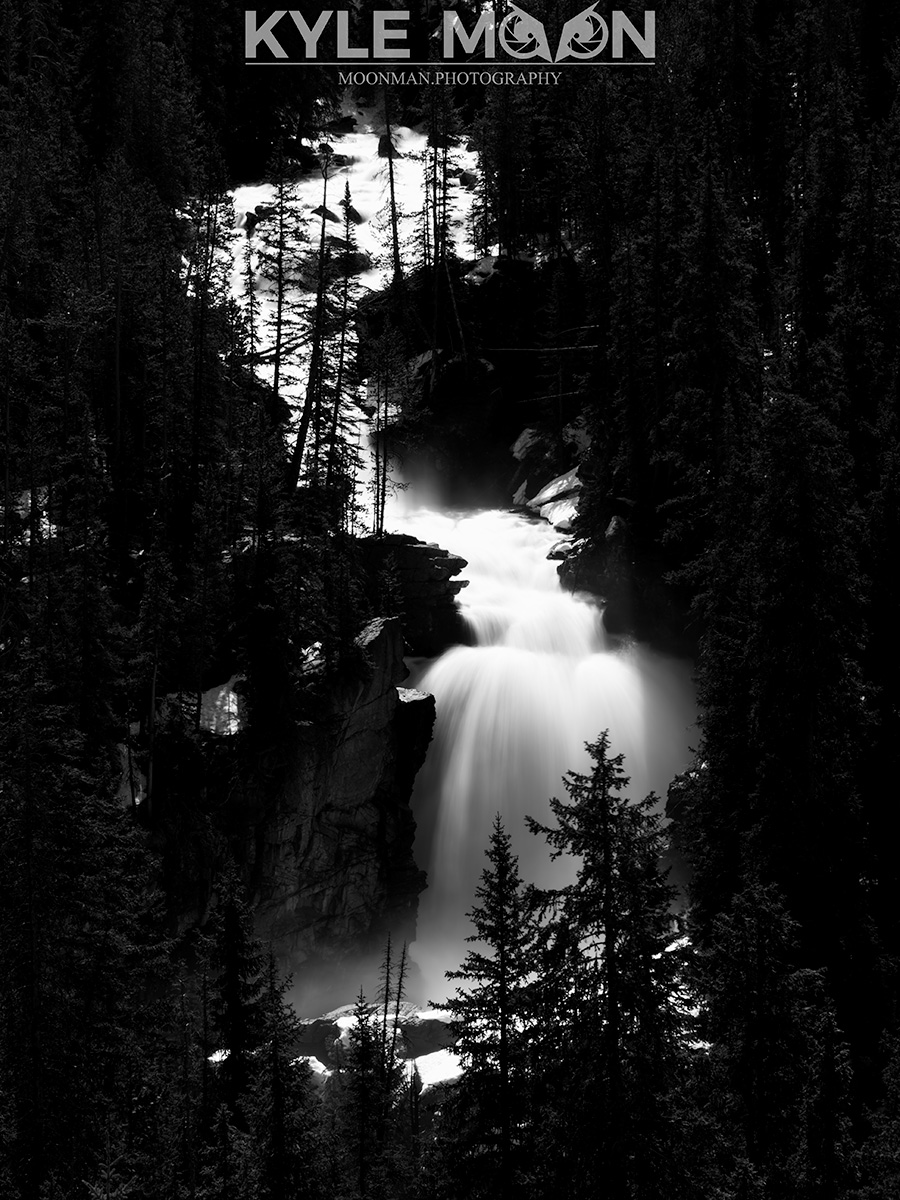
Yellowstone Wild Spring 2026 Photo Workshop: Waterfall journey by Kyle Moon
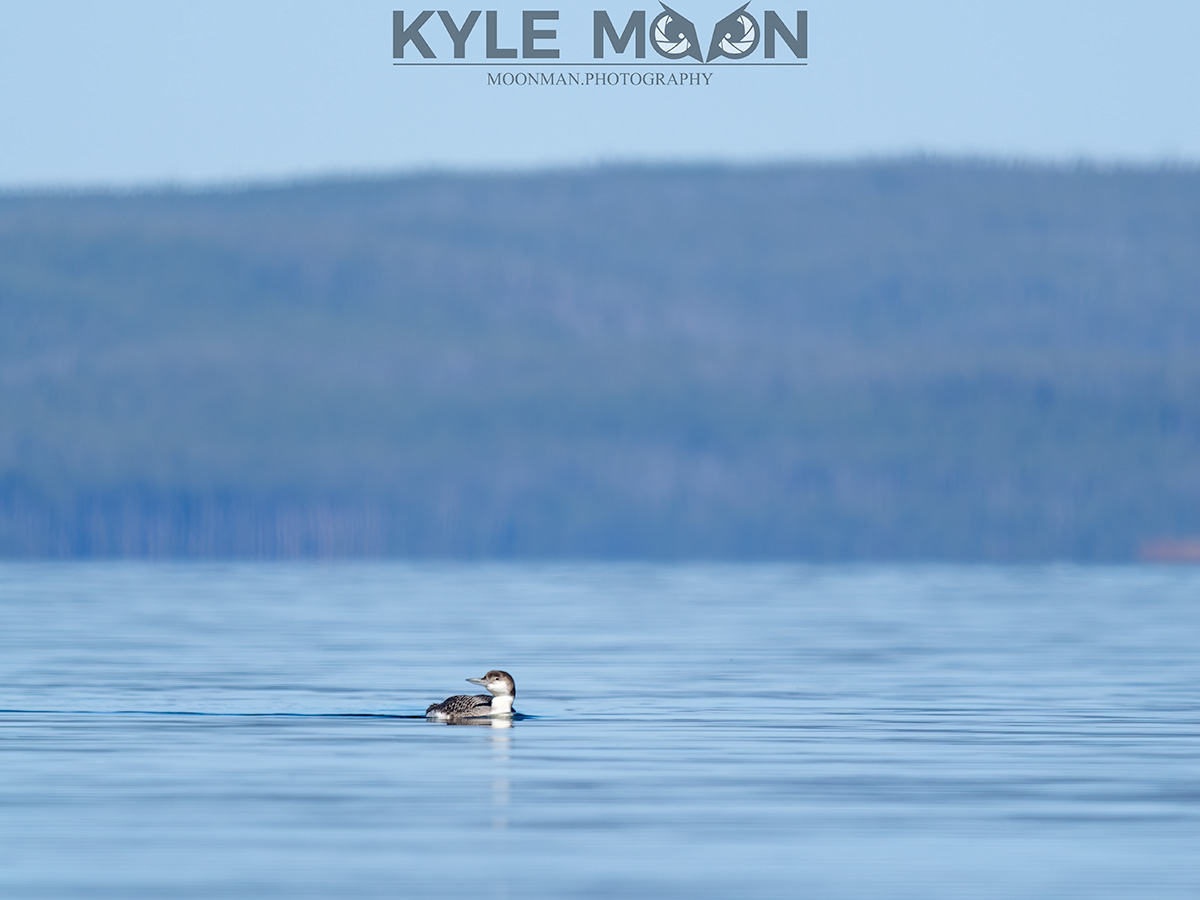
Yellowstone Wild Spring 2026 Photo Workshop: Common Loon on Yellowstone Lake by Kyle Moon
Although everyone enjoys capturing a dream image, I often remind my clients that producing a single great photograph isn’t the primary objective of my workshops. My goal is to share the knowledge I’ve gained through a lifetime spent observing wildlife and creating images in wild places. Understanding animal behavior, practicing good fieldcraft, and learning to anticipate opportunities are the skills that consistently lead to stronger photographs.
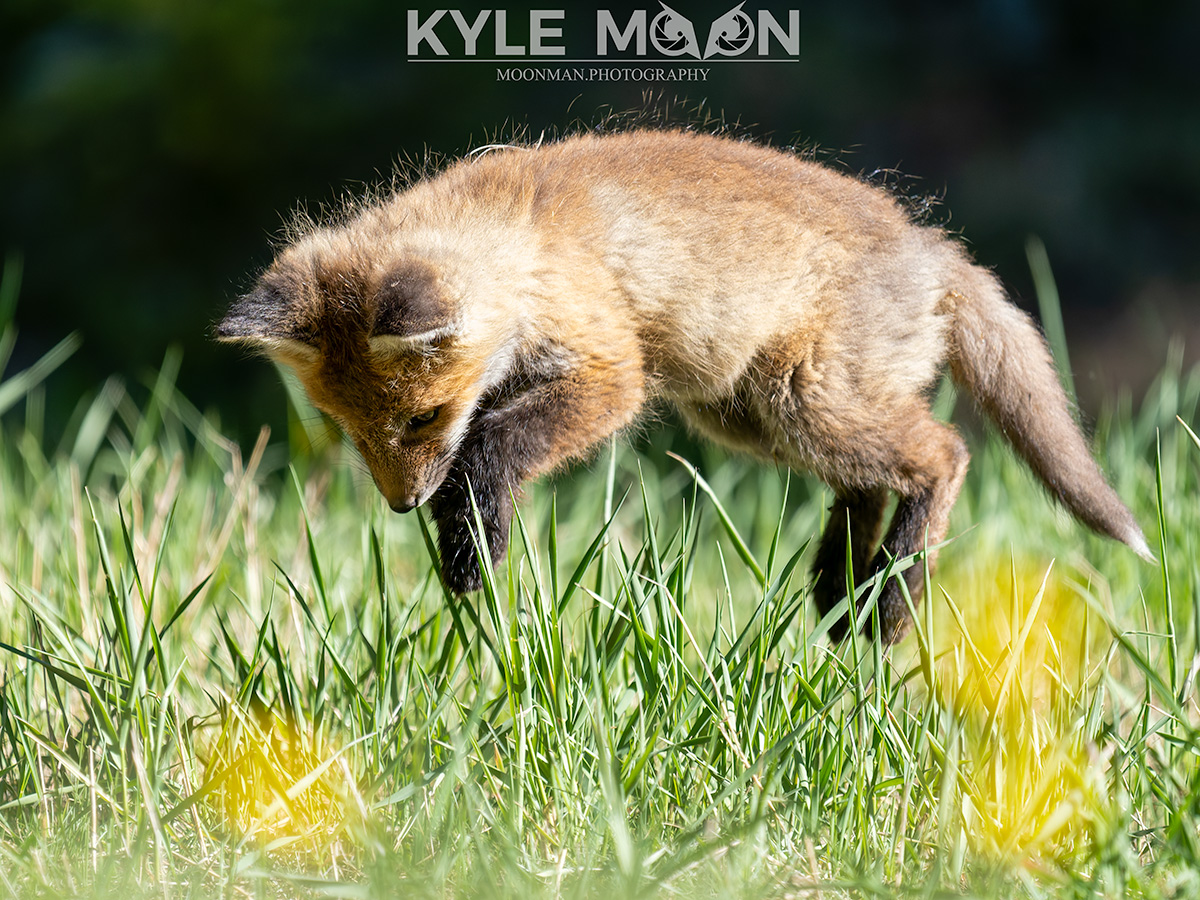
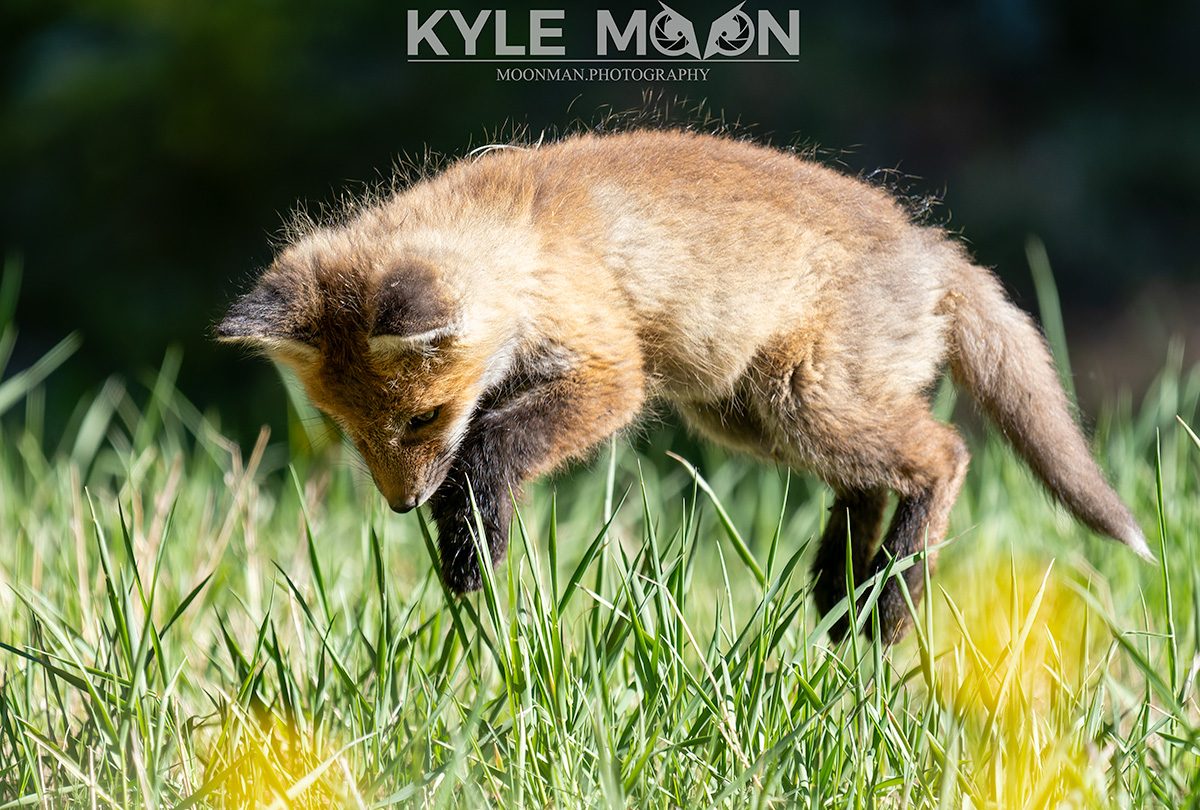
Yellowstone Wild Spring 2026 Photo Workshop: Fox kit mousing by Kyle Moon
That philosophy shaped how we worked throughout the trip: we focused heavily on anticipation rather than reaction. Instead of simply photographing wildlife when it appeared, we studied behavior and considered what our subjects might do next. We discussed questions that every wildlife photographer should ask: Is this ethical? Where should I position myself for the strongest composition? Is this opportunity worth investing time in? Is the image realistically achievable? Sometimes the answer is no, and that’s perfectly okay — not every photograph is meant to be taken. The key is to approach every opportunity with intention and purpose.
Anticipation isn’t only a mindset, though; it’s also a skill modern gear can support. We spent time discussing how today’s camera technology can improve our odds in the field. OM System users know this feature as Pro Capture, while Nikon, Canon, and Sony offer similar tools under different names. By buffering images while the shutter button is half-pressed, these systems let photographers record moments that happen before they fully press the shutter — invaluable when photographing fast-moving wildlife behavior.
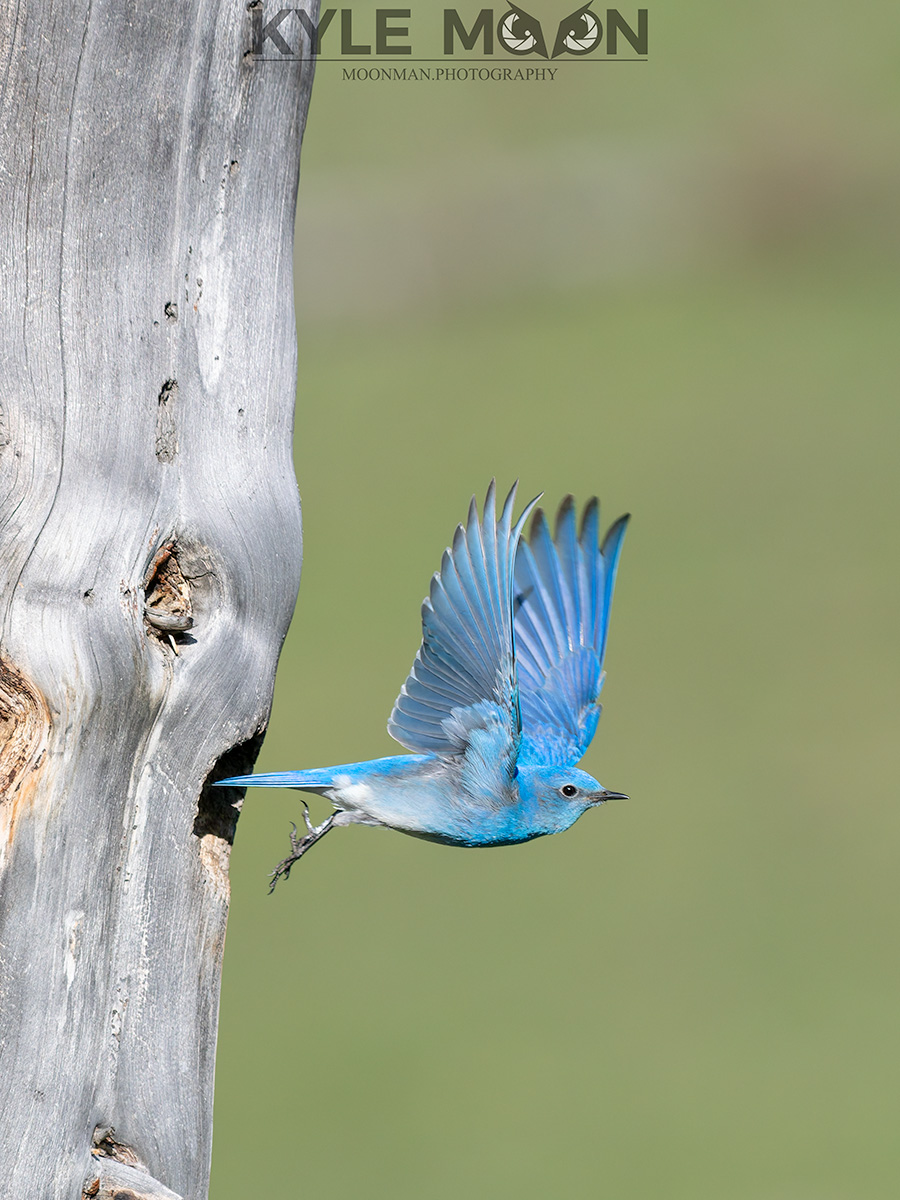
Yellowstone Wild Spring 2026 Photo Workshop: Male bluebird leaving nest cavity by Kyle Moon
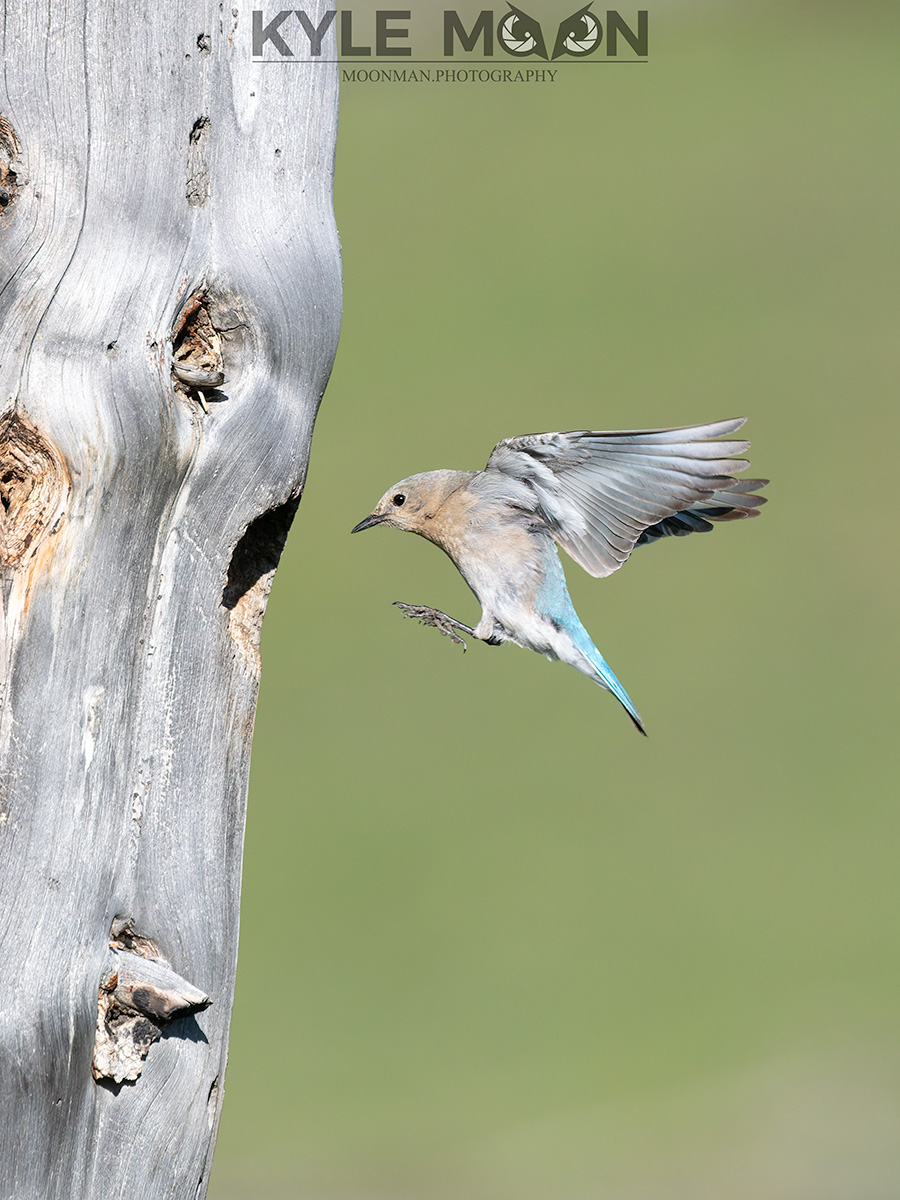
Yellowstone Wild Spring 2026 Photo Workshop: Female mountain bluebird by Kyle Moon
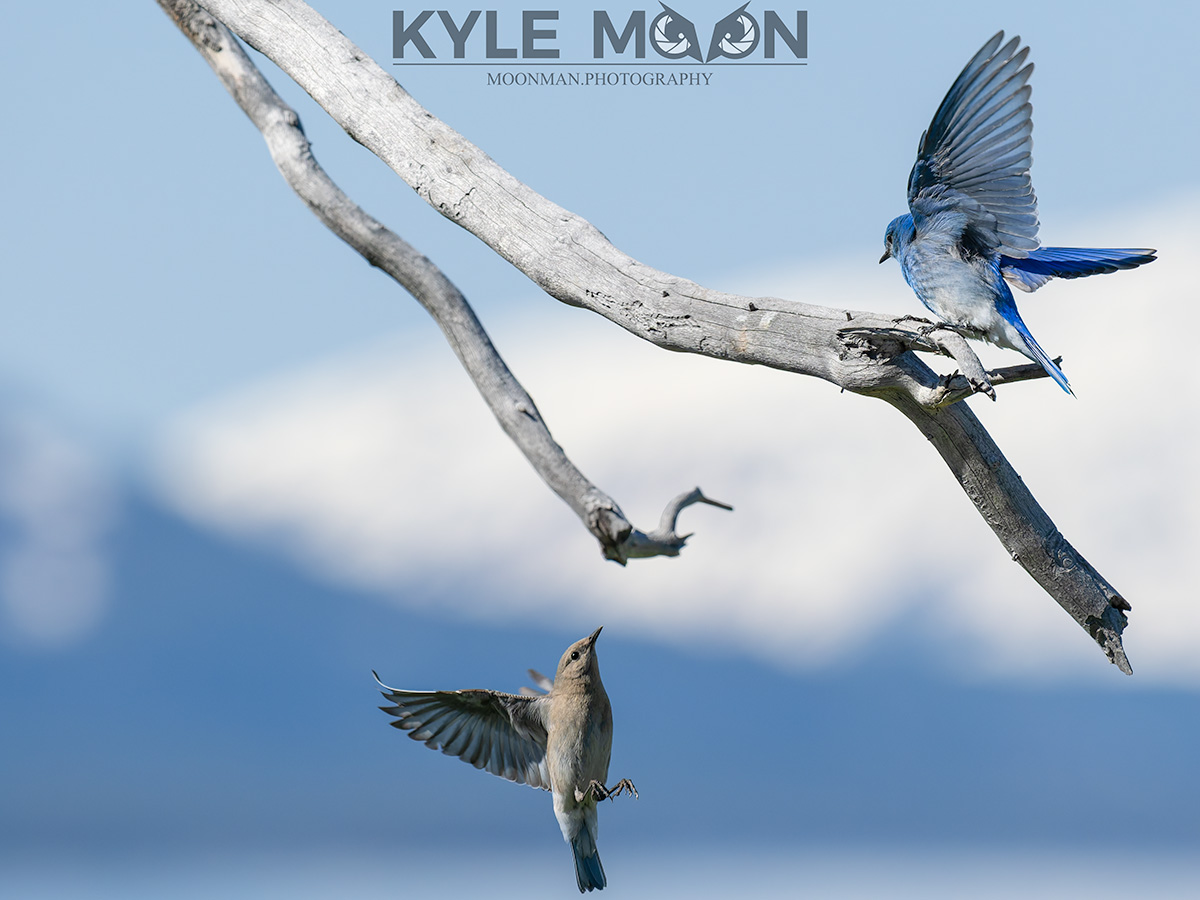
Yellowstone Wild Spring 2026 Photo Workshop: Mountain blue birds landing on a tree by Kyle Moon
The mountain bluebird images from this workshop are a perfect example. Those photographs weren’t the result of luck but of preparation. Using Pro Capture, I was able to record the bird’s takeoff before my reaction time would have ever let me press the shutter in time. It means more images to sort through later, but that’s far preferable to missing the moment entirely.
Patience was another recurring lesson, and no amount of technology can substitute for it. While photographing yellow-bellied marmots along the shores of Yellowstone Lake, we got down to their level and simply waited. Because we maintained a lawful and ethical distance from the marmots, they grew comfortable with our presence and exhibited natural behavior, opening up a variety of photographic opportunities. That same patience rewarded us with an unexpected encounter when a common loon slowly approached along the shoreline — a moment we likely would have missed had we moved on too quickly.
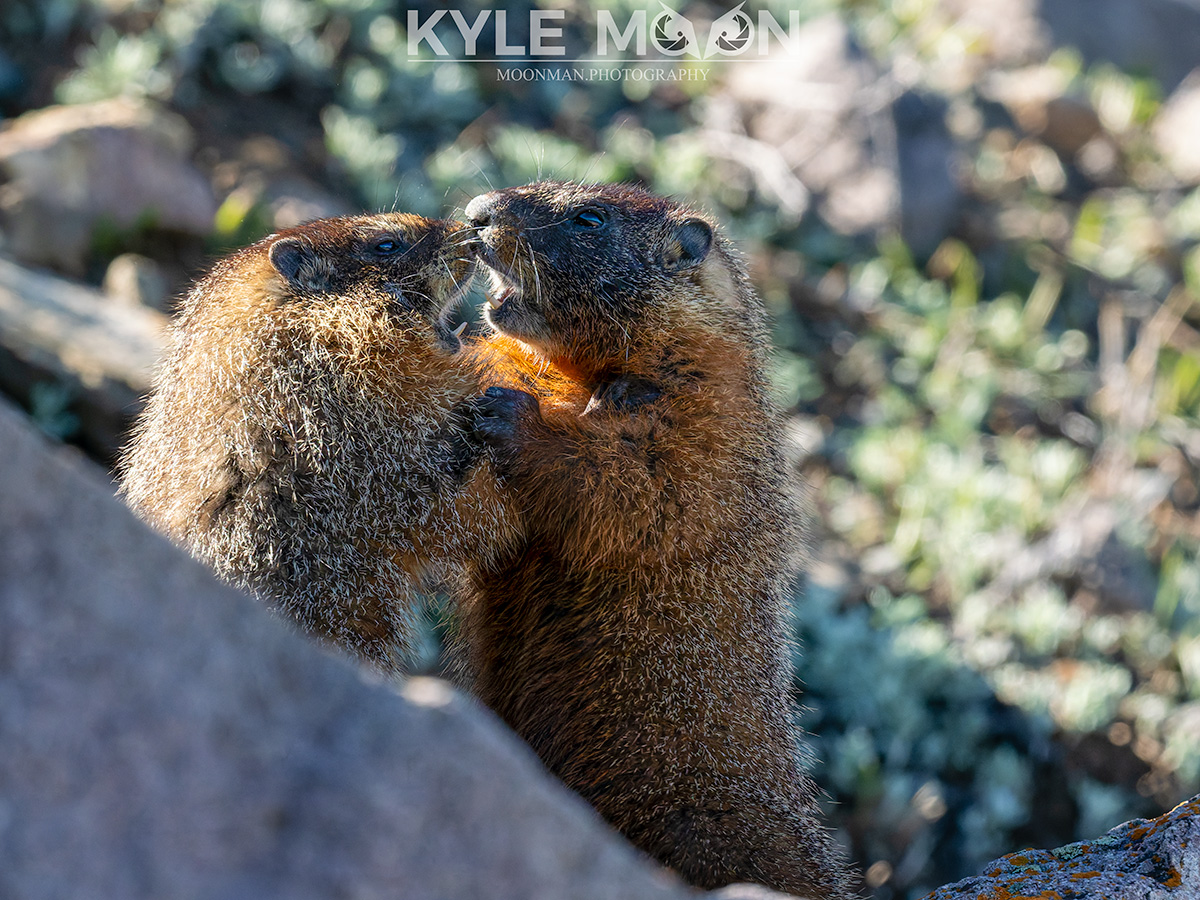
Yellowstone Wild Spring 2026 Photo Workshop: Marmots – courting or battling? We observed both. By Kyle Moon
Wildlife photography often rewards those willing to slow down, observe, and let opportunities develop naturally. The more time we spend studying wildlife behavior, the more we learn about our subjects, and the stronger photographers we become.
Overall, this spring Yellowstone workshop was a tremendous success. While we may not have captured every image we envisioned, we gained something even more valuable: knowledge, experience, and memories that will last far longer than any single photograph. To everyone who joined me, thank you for your trust, your enthusiasm, and your willingness to learn. It was a privilege to share Yellowstone with you.
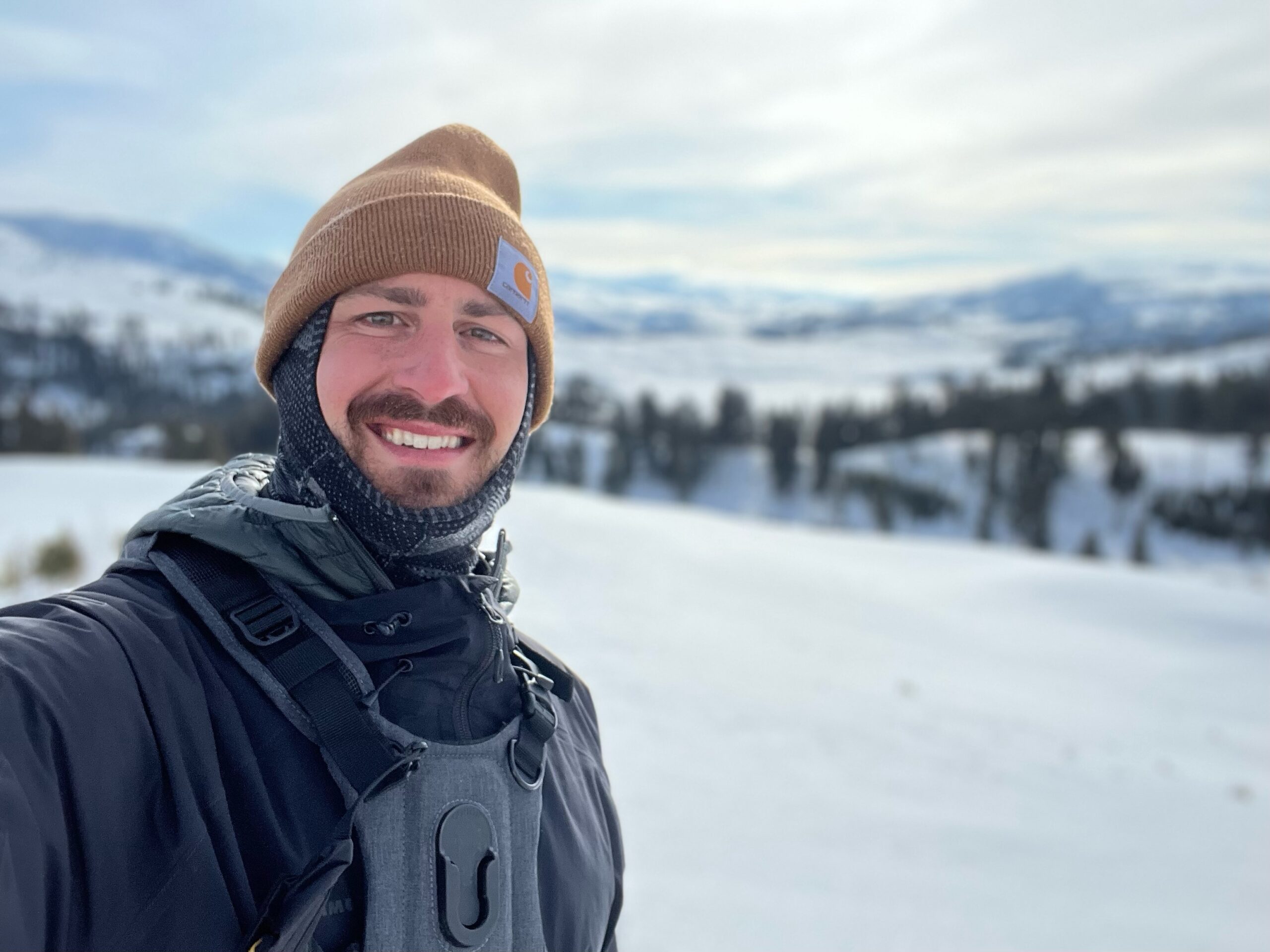
To learn more about Kyle, and the rest of the Yellowstone Wild team, visit our “About Us” page.
Kyle is offering his Spring Wildlife Photography workshop in Yellowstone on two dates for Summer 2027 and seats are going fast. Click the link to learn more and reserve your spot! If you’re interested in purchasing prints of Kyle’s work, you can visit his website HERE.